
15+ RMAs processed per labor hour
Updated returns workflow across the ShipMonk network.
ShipMonk’s in-house returns program inspects, grades, and routes each returned unit. Recoverable items can be reworked and returned to stock; non-recoverable units follow your disposition rules.
Status from arrival through grading, rework, and putaway is visible in the ShipMonk portal.
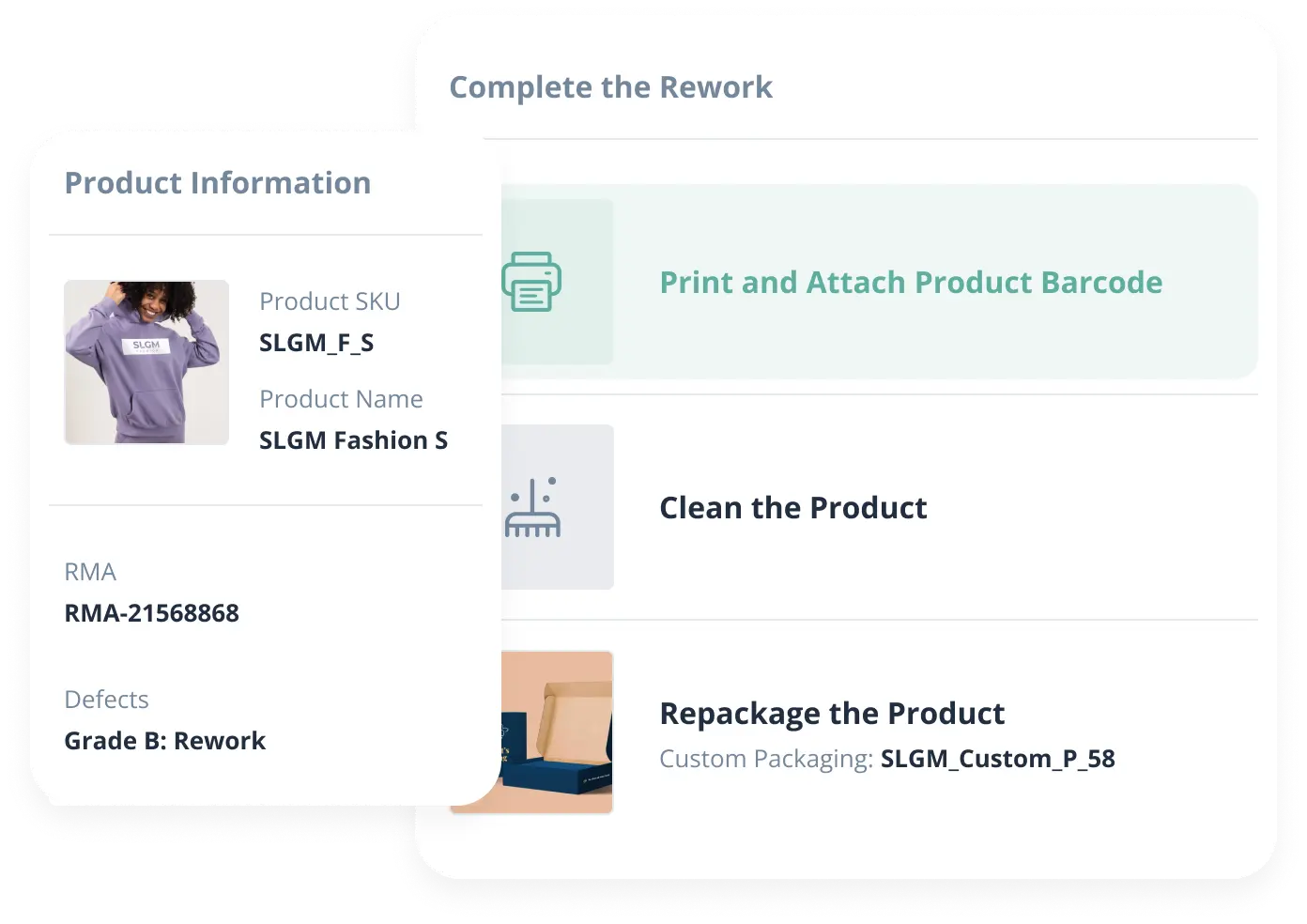
Updated returns workflow across the ShipMonk network.
New-condition units can move directly to putaway.
Quality Guard photos are stored in your portal automatically.
Trusted by leading brands to simplify returns & boost loyalty




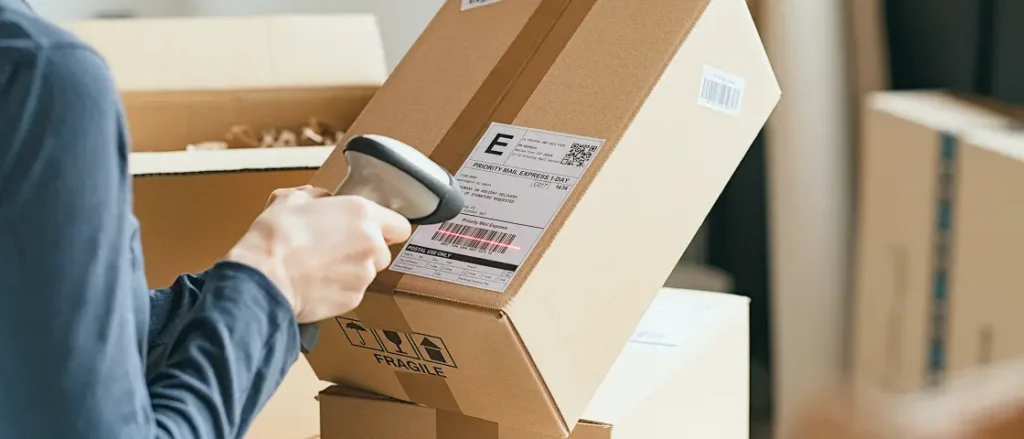
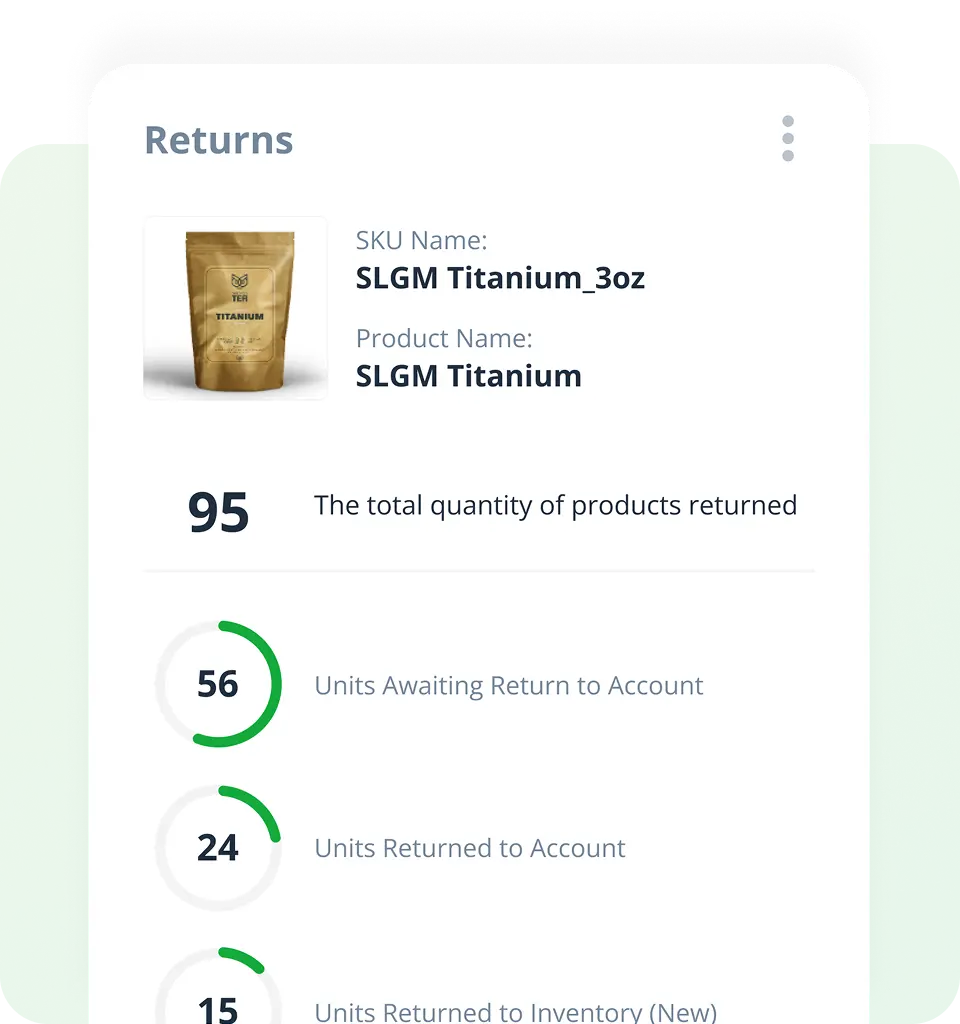
When a return arrives, it is scanned and logged. If the tracking number matches an open RMA, the RMA updates to Arrived in your portal before processing begins.
Step 1
Returns are scanned against open RMAs. When the tracking number matches, the RMA updates to “Arrived” in your portal.
Step 2
Each unit is opened and graded. New-condition items go to putaway. Other grades are assessed for rework eligibility or disposal based on your rules.
Step 3
Items that can be restored go to the appropriate rework station, whether that’s steaming and refolding an apparel item, replacing a polybag, retagging a product, re-boxing an opened item, or another service from ShipMonk’s rework menu. Items that complete rework are re-graded before moving to putaway.
Step 4
Recovered units return to inventory. RTV, donation, disposal, and secure disposal paths follow your account configuration.
Step 5
Non-new items are photographed during processing. Images are available in the portal at receipt for condition review.

As a large CPG that has been through several Fulfillment partners in the last few years, we can finally say that we found a home.


Their customer service teams are telepathic, telekinetic, and pyrokinetic. They know my issue before I tell them, are already solving them, and are fired up to help.

We were OOS on inventory with a large number of backorders. ShipMonk tripled their daily throughput and resolved everything within 24 hours. Amazing!

We came for ShipMonk’s pricing but stayed for their great customer service. Since we started working with ShipMonk we have grown more than 4x.

Been with ShipMonk for several years. We have regular meetings and the service is excellent. Highly recommend to ecommerce brands.
The returns workflow targets 15+ RMAs per labor hour. New-condition items go to putaway; other grades route to the appropriate rework or disposition path.
Grading uses a consistent framework so disposition is applied the same way across units.
SKU-level grading rules can be configured so instructions apply automatically during processing. (coming soon)
Non-new items are photographed during processing and appear in your portal without a support request. Read more.
When a returned parcel is checked in at our facility, any RMA with a matching tracking number automatically updates to Arrived in your portal.
ShipMonk offers a rework menu that gets eligible items back into sellable condition. Pricing is bespoke and scoped to your needs.
FDA-oriented prompts in the returns flow support grading and disposition for expiration-dated products, with data retained for reporting and audits.
Integration with Loop Returns connects the customer returns portal to in-house processing with the same operational standards as outbound fulfillment.
You choose what happens with your un-restockable, un-reworkable inventory.
Rework services restore eligible returns to resalable condition, from cosmetic fixes through repackaging and relabeling.
Restore apparel to shelf-ready presentation after customer try-ons and transit.
Re-fold garments to brand standards before they return to inventory.
Remove cosmetic debris so items meet your quality bar for resale.
Swap damaged or missing polybags so products ship and store correctly.
Re-box opened or damaged packaging to protect inventory and brand perception.
Apply correct tags and labels so recovered units scan and sell accurately.
Update barcodes when SKU or unit identifiers need correction after processing.
Address minor marks without full wash cycles when appropriate for the product.
Adjust hanger requirements per your brand’s storage and presentation rules.
Neutralize odors so recovered items meet customer-ready standards.

Apparel has among the highest return rates in ecommerce, and return policy clarity affects purchase decisions. ShipMonk’s grading framework, rework menu, and apparel-focused workflows are designed for high-volume garment programs so more units return to sellable inventory without slowing outbound fulfillment.
Learn moreNon-new returns are photographed during processing. Images appear in your ShipMonk portal at receipt so you can review condition without opening a support ticket.
Learn more about Quality Guard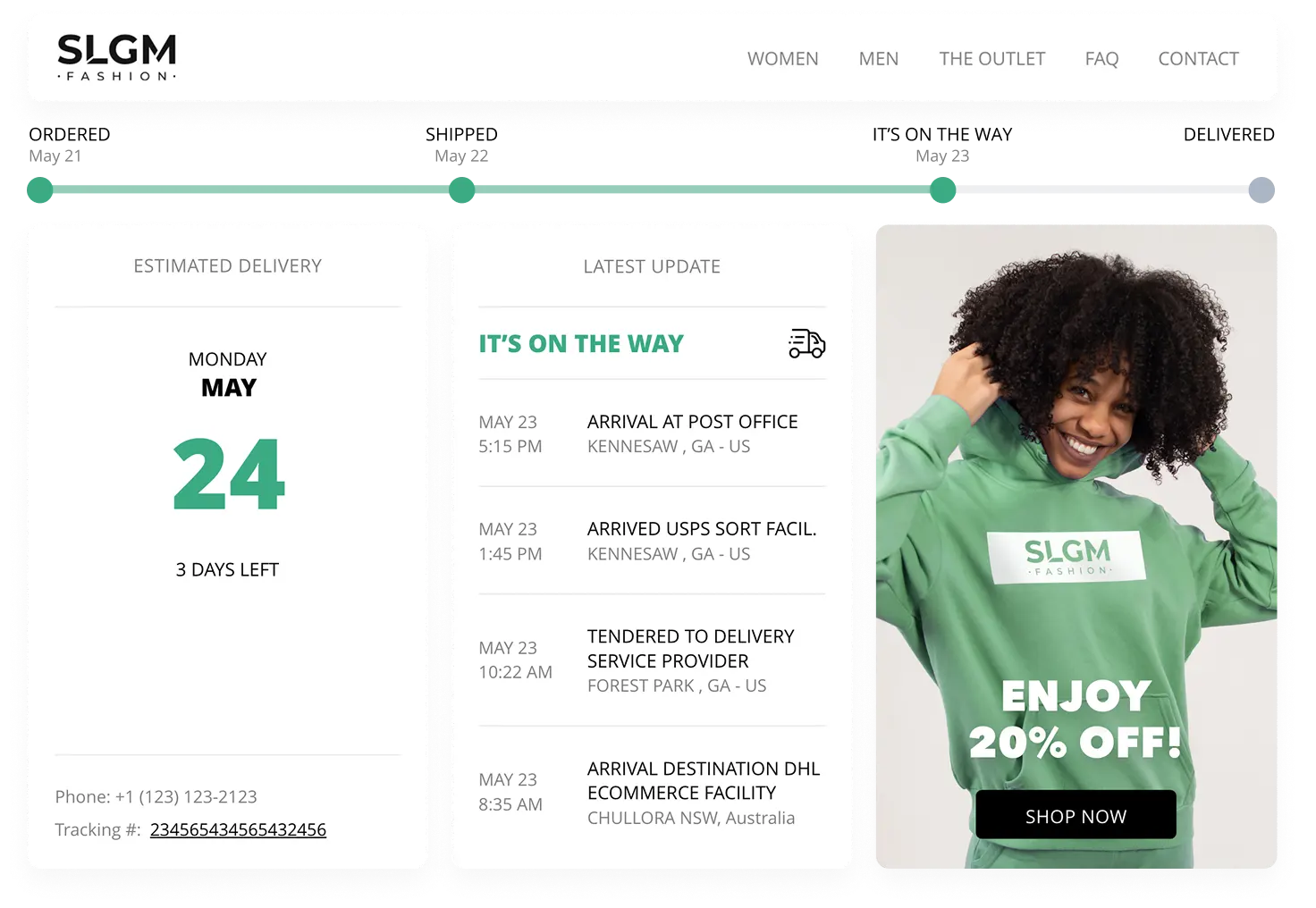
For expiration-dated or lot-controlled products, FDA-oriented questions are built into the returns flow. Defect responses inform grading and disposition so regulated inventory stays traceable.
Each unit is graded against your standards and routed to putaway, rework, or disposition—not only checked in as received.
Quality Guard captures images of non-new returns in the portal for ongoing visibility into condition at receipt.
Rework includes steaming, refolding, retagging, polybag replacement, and related services so eligible units can return to stock.
The returns workflow is built for high-volume apparel programs, with ongoing throughput improvements beyond 15+ RMAs per labor hour.
FDA-oriented questions and grading prompts are embedded in the returns flow at the item level for regulated SKUs.